 Kova Center 92G-92H Nguyen Huu Canh Str, Ward 22, Binh Thanh Dist, HCMC
 +84 932 859 976
Greece Implements Higher Tourism Taxes to Tackle Climate-Driven Challenges
- 11 December, 24
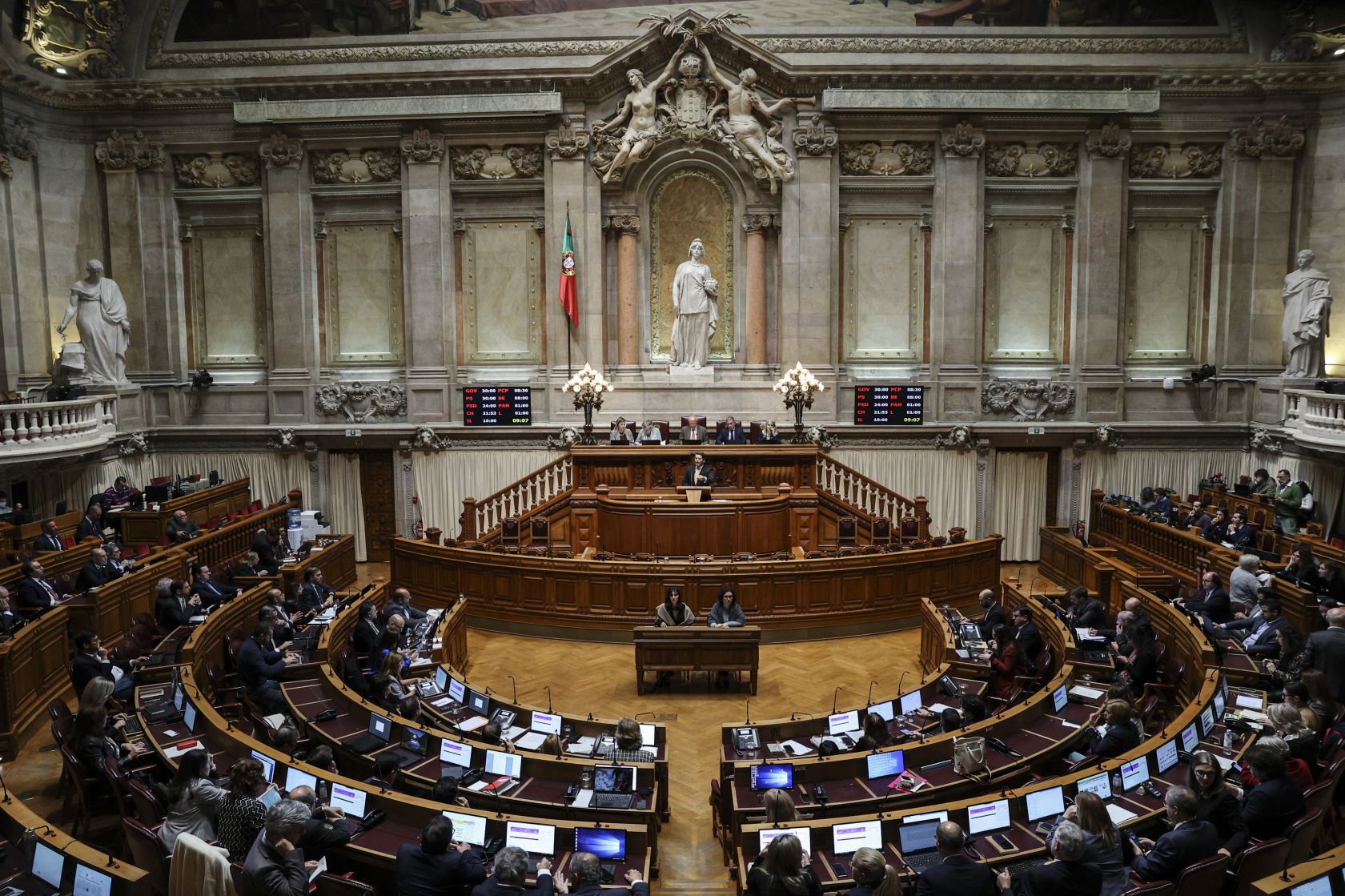
In a significant move to address the economic impacts of climate change, Greece’s parliament has approved new legislation that increases taxes on tourism-related activities, including short-term rentals, hotel accommodations, and cruise ship visits. These measures aim to bolster the country’s financial resilience against natural disasters while promoting sustainable tourism practices.
Higher Taxes for Short-Term Rentals
Starting in 2025, the daily tax on short-term rental properties will see a substantial rise. During the peak tourist season, from April to October, the tax will increase from €1.5 to €8 per day. In the off-season winter months, the rate will rise from €0.5 to €2 per day. This adjustment is expected to significantly boost government revenue, with officials aiming to collect approximately €400 million annually, nearly double the revenue generated last year.
Increased Hotel Accommodation Taxes
Tourists staying in hotels will also face higher charges. The daily tax will now range up to €15 during the summer, depending on the property’s star rating. This is part of a broader effort to align tourism-related taxes with the sector’s environmental and infrastructural impact.
Cruise Ship Levies
To address overtourism in popular destinations, new levies will be imposed on cruise ship passengers. Visitors arriving at iconic islands like Santorini and Mykonos will pay €20, while those docking at other Greek ports will pay €5. This policy aims to mitigate the strain on local resources caused by the high volume of cruise passengers. For instance, Mykonos, with a population of just 12,000, often accommodates as many as 20,000 cruise visitors daily during peak season.
Motivation Behind the Measures
The new taxes are part of Greece’s broader strategy to cope with the increasing frequency of extreme weather events, such as floods, droughts, and wildfires, which have heavily strained public finances. In 2023, the government allocated an additional €600 million to repair infrastructure and support communities affected by Storm Daniel, a catastrophic weather event that caused widespread damage.
Prime Minister Kyriakos Mitsotakis emphasized the urgency of climate action during his address at the COP29 climate conference. He highlighted the need for immediate resources to tackle climate shocks, stating, “We cannot focus so much on 2050 that we forget 2024.”
Economic and Tourism Implications
Tourism is a cornerstone of Greece’s economy, contributing significantly to its GDP. However, the increased costs for tourists have sparked mixed reactions. Critics argue that the higher taxes could deter visitors, potentially impacting Greece’s competitive edge as a travel destination. Some travelers have already expressed concerns about the financial burden, with reports of planned cancellations in favor of more affordable alternatives like Spain or Portugal.
On the other hand, proponents of the policy view it as a necessary step to ensure the sustainability of Greece’s tourism industry while addressing the environmental challenges posed by overtourism and climate change.
Looking Ahead
The Greek government’s decision to increase tourism taxes reflects a delicate balancing act between preserving the country’s natural beauty and cultural heritage and ensuring its economic sustainability. While the measures may face criticism in the short term, they underscore Greece’s commitment to combating climate change and preparing for a more resilient future.
For travelers planning to visit Greece, these changes highlight the growing importance of sustainable tourism and the role of individual contributions in supporting global climate initiatives.
Source: Ekathimerini| GTP Headlines









 hello@mercan.com