 Kova Center 92G-92H Nguyen Huu Canh Str, Ward 22, Binh Thanh Dist, HCMC
 +84 932 859 976
Op-Ed: Real Estate and Tourism in 2025–2026 – Balancing Growth, Risk and Opportunity
- 12 January, 26
In this opinion piece, the author examines the evolving relationship between Greece’s real estate market and the tourism sector in 2025–2026, highlighting the key challenges, investment dynamics and policy considerations shaping both industries.
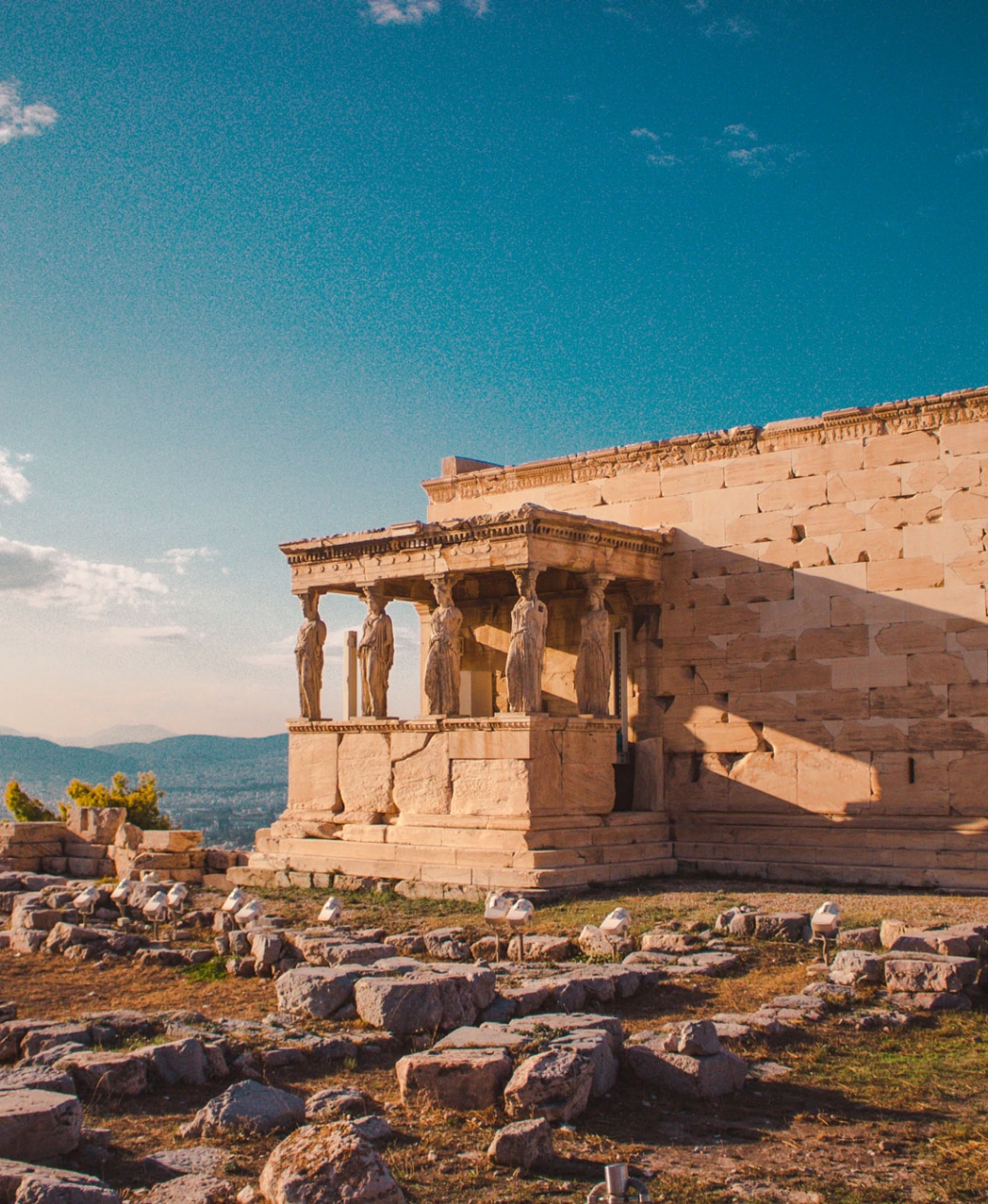
The direction of Greece’s real estate market in 2025–2026 is set to play a decisive role in shaping the country’s tourism sector, underlining the increasingly tight interdependence between the two.
Property prices, accommodation availability, construction activity and the regulatory framework are not merely parallel developments; they are key variables influencing how and where tourism can grow, both in major urban centers and in popular regional destinations.
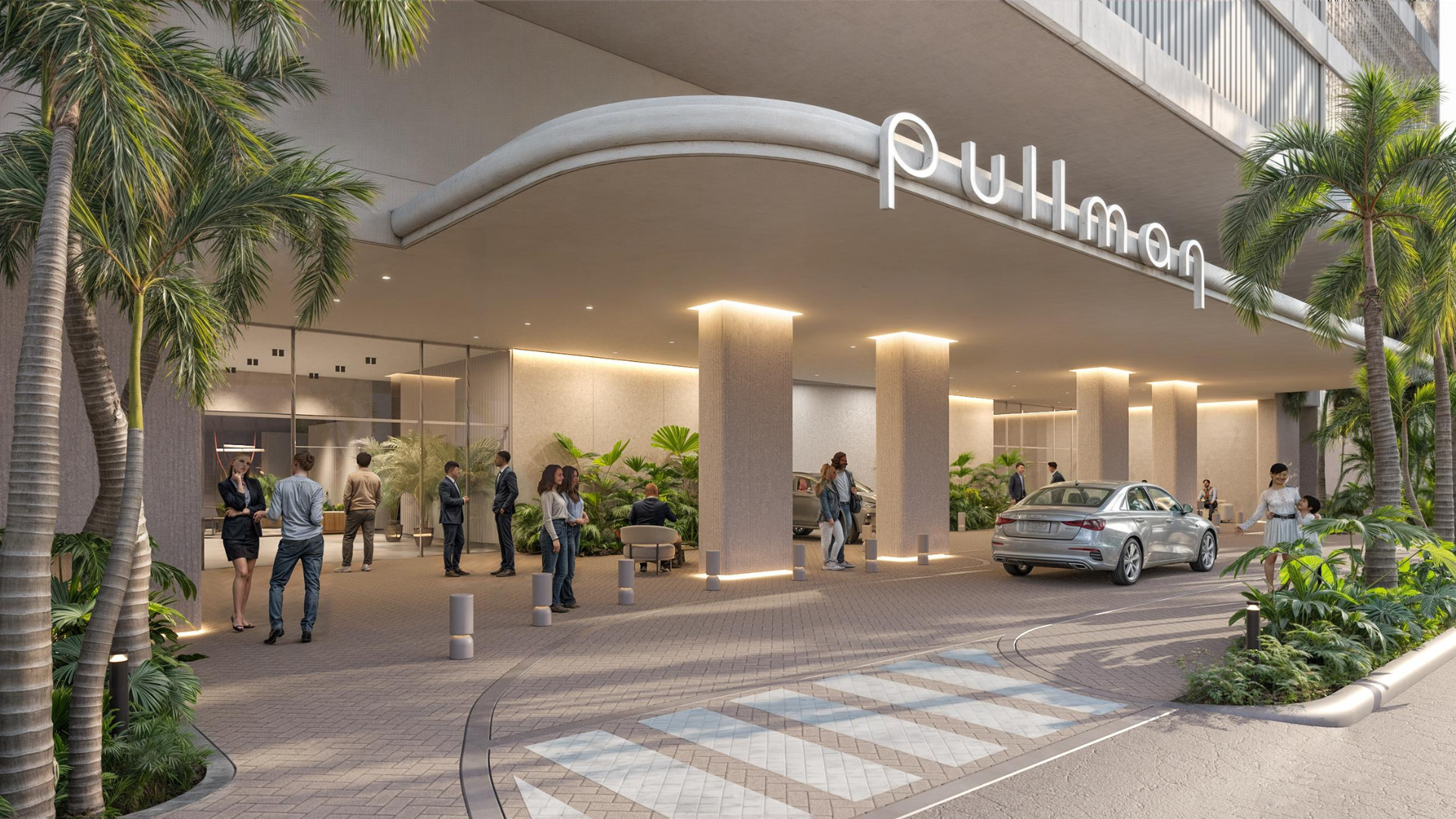
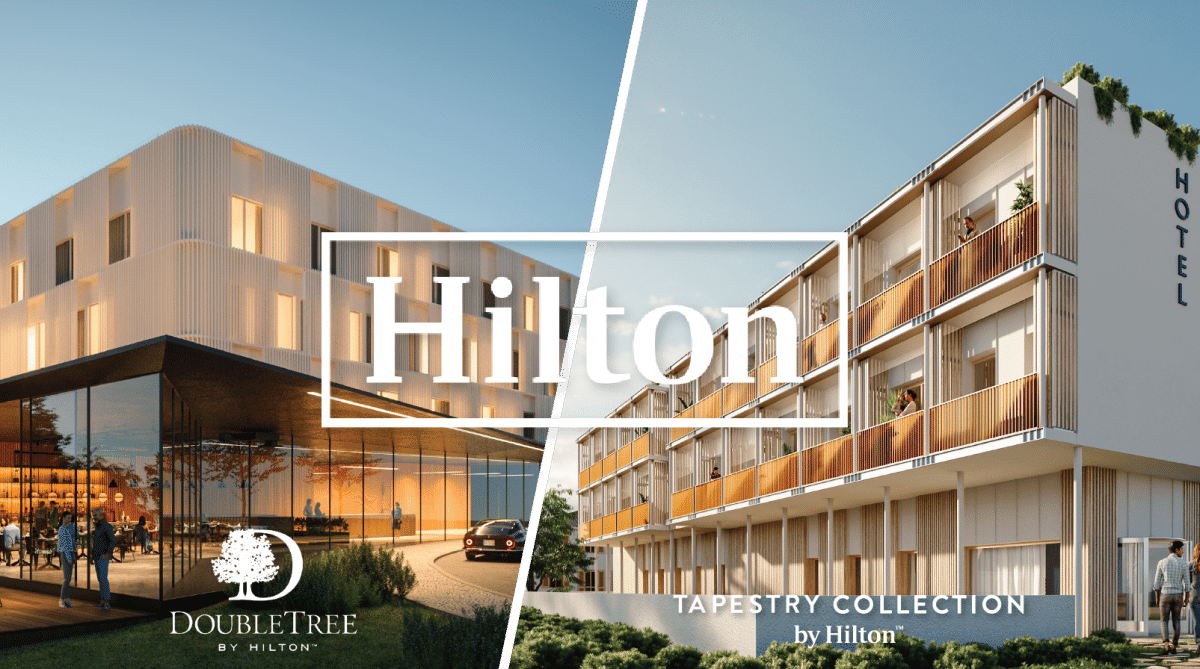
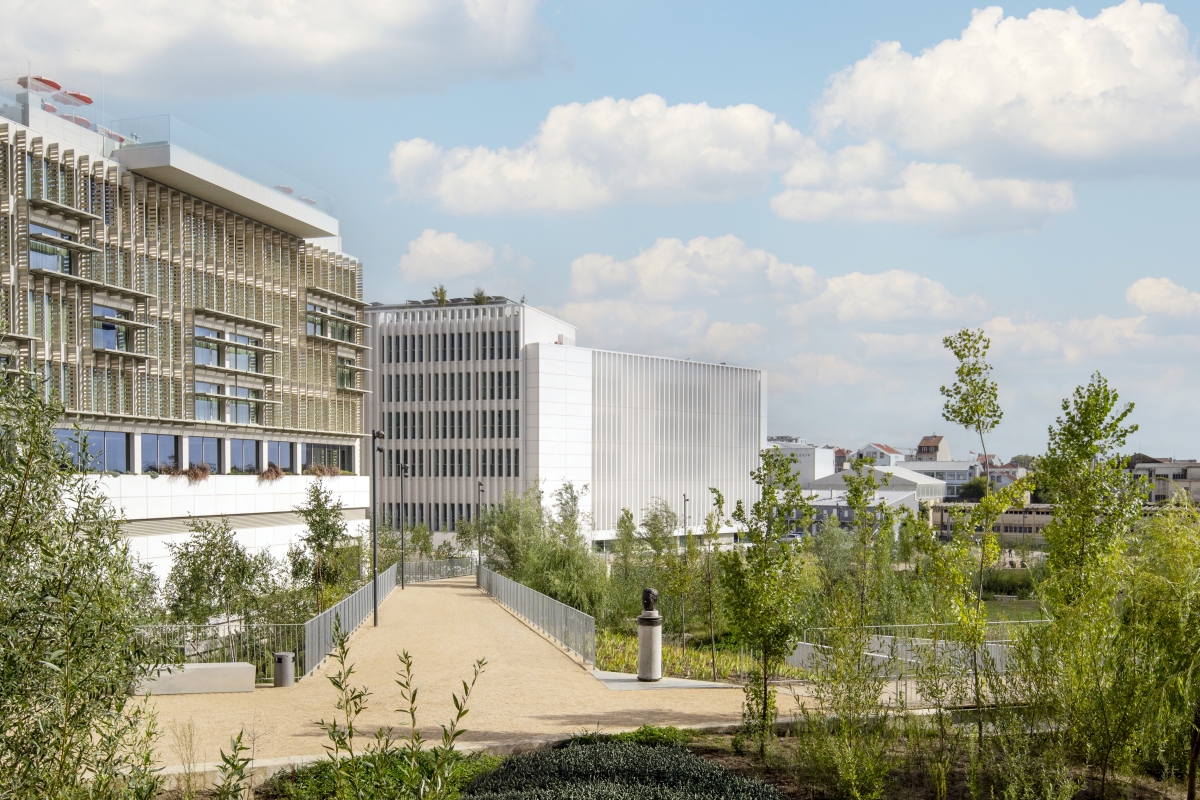
Demand for hospitality properties, tourist residences and high-specification hotel developments continues to attract strong domestic and international investment interest. Projects incorporating bioclimatic design and energy efficiency are gaining ground, reflecting the global shift toward more sustainable tourism models. At the same time, the upgrading of existing buildings and the conversion of inactive properties into tourism accommodation are enhancing the quality of supply, particularly in cities such as Athens and Thessaloniki.
However, rising property values and rental costs are also placing mounting pressure on the housing market, with indirect but tangible consequences for tourism.
The growing difficulty in securing affordable accommodation for tourism workers – especially in island and high-demand destinations – has emerged as a structural challenge for the sector’s long-term viability.
Delays in licensing procedures and elevated construction costs further constrain the pace at which new tourism investments can be delivered.
These issues point to the need for targeted institutional interventions that balance market efficiency with social cohesion.
Despite these challenges, the outlook remains broadly positive.
Continued investment in infrastructure, gradual adjustments to the regulatory framework, and a stronger focus on climate resilience and environmental protection can reinforce the long-term competitiveness of Greek tourism.
As real estate remains a central pillar of economic development, the ability to strike a sustainable balance between investment activity, housing needs and tourism strategy will be a defining factor for the sector’s future in the years ahead.
Cre: Greek Travel Pages






 hello@mercan.com