
 Kova Center 92G-92H Nguyen Huu Canh Str, Ward 22, Binh Thanh Dist, HCMC
 +84 932 859 976
Portugal Presidential Election Enters a Critical Stage: Runoff Set to Begin
- 27 January, 26
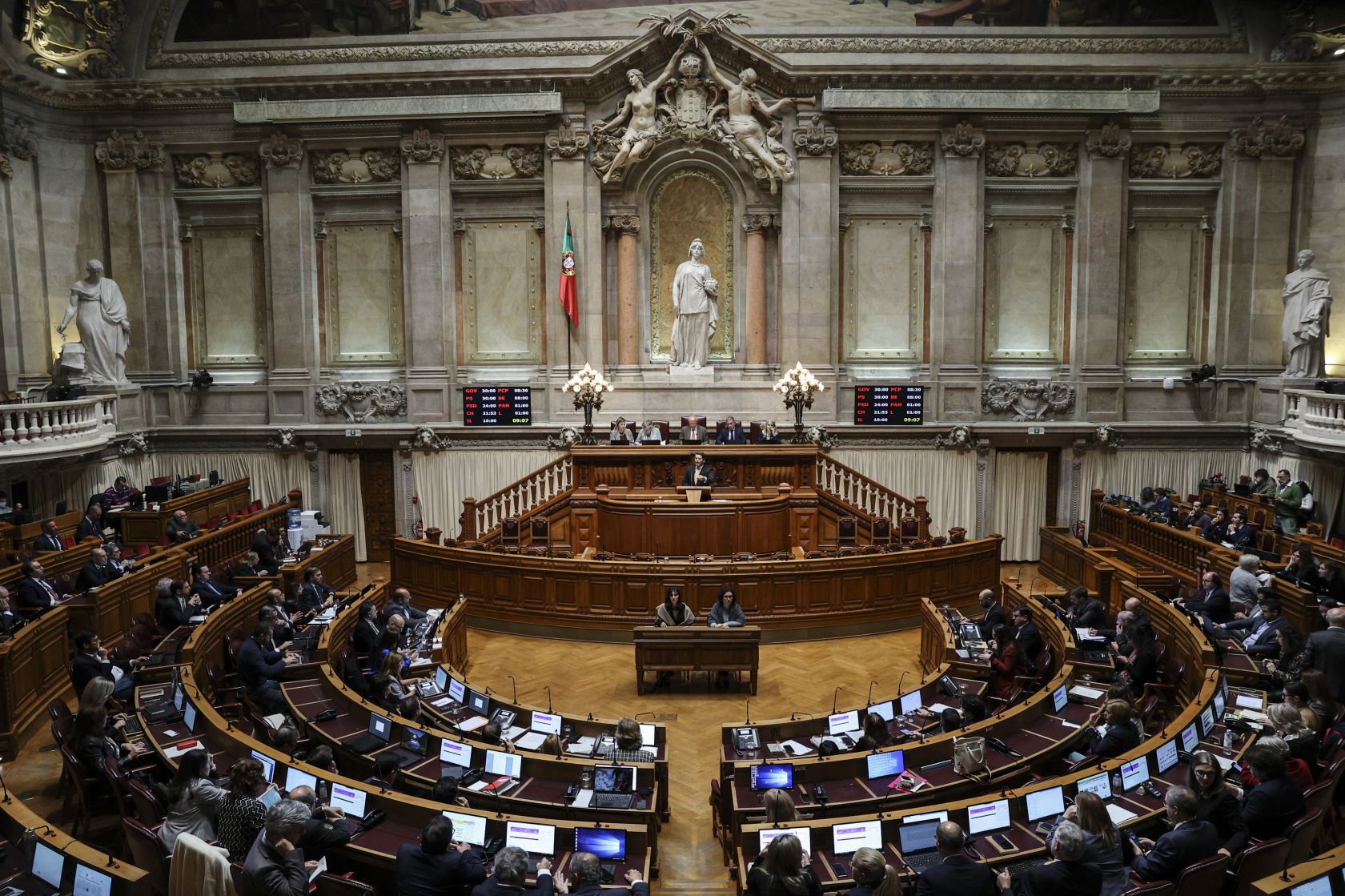
On January 18, 2026, Portugal held the first round of voting in its new presidential election. As no candidate secured an absolute majority, the race will proceed to a second-round runoff. This scenario is rare in Portugal, having last occurred in 1986, and has therefore drawn intense domestic and international attention.
This election is not only about the country’s political direction, but is also expected to have a significant impact on future immigration policy, nationality law review mechanisms, and overall institutional stability.
First-Round Results: Seguro Takes a Clear Lead
According to official results, former Socialist Party leader António José Seguro ranked first with 31.1% of the vote, while André Ventura, leader of the far-right party Chega, came second with 23.5%. The two will face each other in the second round.
From the current vote distribution, the advantage appears to favor Seguro. Meanwhile, voter turnout reached its highest level since 2006, indicating a significant rise in civic participation and reflecting the high importance society attaches to this presidential election.
António José Seguro: A Representative of Moderate Establishment Politics
António José Seguro previously served for many years as leader of the Socialist Party (PS). His return to the political forefront is widely seen as a major comeback. During his campaign, he emphasized democratic values, constitutional order, and institutional balance, advocating that the president should act as a stabilizer of national institutions rather than a driver of political confrontation.
On public policy, Seguro focused on healthcare, education, housing, and social equity, successfully attracting a large number of center-left and moderate voters through “strategic voting.” Precisely because of his relatively steady and centrist positioning, he has become a key figure in countering the expansion of extreme political paths.
André Ventura: A Symbol of Populism and Anti-Establishment Politics
As the founder and leader of the far-right party Chega, André Ventura is known for a distinctive and highly controversial political style. He mobilizes voters through nationalist, anti-immigration, and strongly anti-establishment rhetoric, building a highly cohesive base within the right-wing camp.
Although Ventura has made it into the second round, his support base remains relatively concentrated, while social opposition to him remains high. This creates real challenges for him in expanding his appeal to a broader electorate.
Institutional Impact on Nationality Law and Immigration Policy
In terms of immigration and nationality policy, Seguro is widely viewed as the candidate offering greater “institutional stability.” The Socialist Party he belongs to had previously requested a preventive constitutional review of amendments to Portugal’s Nationality Law, and those proposed changes failed constitutional compliance checks at an early stage.
This background suggests that under the political logic represented by Seguro, future legislation related to nationality law and immigration is more likely to be subject to strict constitutional scrutiny and institutional checks and balances, rather than rapid or radical changes. Therefore, from the perspective of legal predictability and institutional security, Seguro’s path is generally considered more stable and foreseeable for foreign residents and those planning their legal status.
Key Upcoming Dates
The second round of the presidential election has officially begun. The first-round results will be formally confirmed between January 26 and 28. The second-round campaign period runs from January 27 to 31, with campaign activities ending on February 6. The runoff vote is scheduled for February 8, with final results expected to be confirmed by February 16. The new president will be inaugurated on March 9.
This Portuguese presidential election is not merely a contest between political figures, but a reflection of the country’s choice between institutional stability and political radicalism. Current data indicate a clear advantage for António José Seguro, while debates over nationality law, immigration policy, and constitutional order are being brought to the forefront by this election.
Cre: The Portugal News










 hello@mercan.com