 Kova Center 92G-92H Nguyen Huu Canh Str, Ward 22, Binh Thanh Dist, HCMC
 +84 932 859 976
Athens Draws More Visitors and Spending in 2025, While Weak Spots Remain
- 18 May, 26
Athens welcomed more visitors, higher spending and stronger international demand in 2025, according to the findings of two annual visitor surveys presented on Tuesday in Athens by the Athens-Attica & Argosaronic Hotel Association.
Conducted by GBR Consulting and Athens International Airport (AIA), the studies point to a destination that continues to strengthen its tourism appeal while facing growing pressure to improve public spaces, infrastructure and the integration of nearby leisure experiences into the visitor journey.
Results from Athens International Airport were presented by AIA Market Research Manager Maripola Kotsi, while GBR Consulting findings were presented by the company’s managing consultant, Stefan Merkenhof.
Visitor numbers and spending continue to rise
Athens International Airport handled 34 million passengers in 2025, around 2 million more than in 2024, with international traffic remaining the main growth driver.
Foreign visitor arrivals reached 8.7 million, marking a 10 percent increase year-on-year. The US emerged as Athens’ top inbound market with approximately 1.2 million visitors, up 12 percent, while Germany and Italy also recorded strong growth.
According to AIA’s survey, leisure remained the main reason for travel, accounting for 76 percent of visits. At the same time, 61 percent of respondents visited Athens for the first time.
Visitor spending also increased, according to GBR Consulting. Daily spending in the city rose by 10 percent compared to 2024, with the strongest increase recorded in attractions and entertainment, where spending climbed 16 percent year-on-year.
The findings suggest visitors are increasingly willing to spend on cultural and leisure experiences, although awareness of events, offers and additional tourism experiences remains relatively limited.
Culture remains Athens’ strongest asset
The surveys showed high levels of visitor satisfaction overall, with culture remaining Athens’ strongest competitive advantage.
Athens scored 9.2 for its cultural offering, while 97 percent of respondents said they “would recommend the city to others” and 88 percent said they “would visit again”.
The research also highlighted the emotional connection visitors develop with the destination. Half of respondents said their experience in Athens left them feeling “culturally enriched”, while 43 percent reported “feelings of joy”, 30 percent “relaxation” and 25 percent “inspiration”.
Athens also performed strongly as an inclusive destination, with 81 percent of visitors describing the city as welcoming to travelers regardless of nationality, religion, ethnicity, sexual orientation or disability.
Riviera and nearby islands remain underused
Despite the city’s strong tourism performance, the study by GBR Consulting identified several areas where Athens is not fully capitalizing on its broader tourism offering.
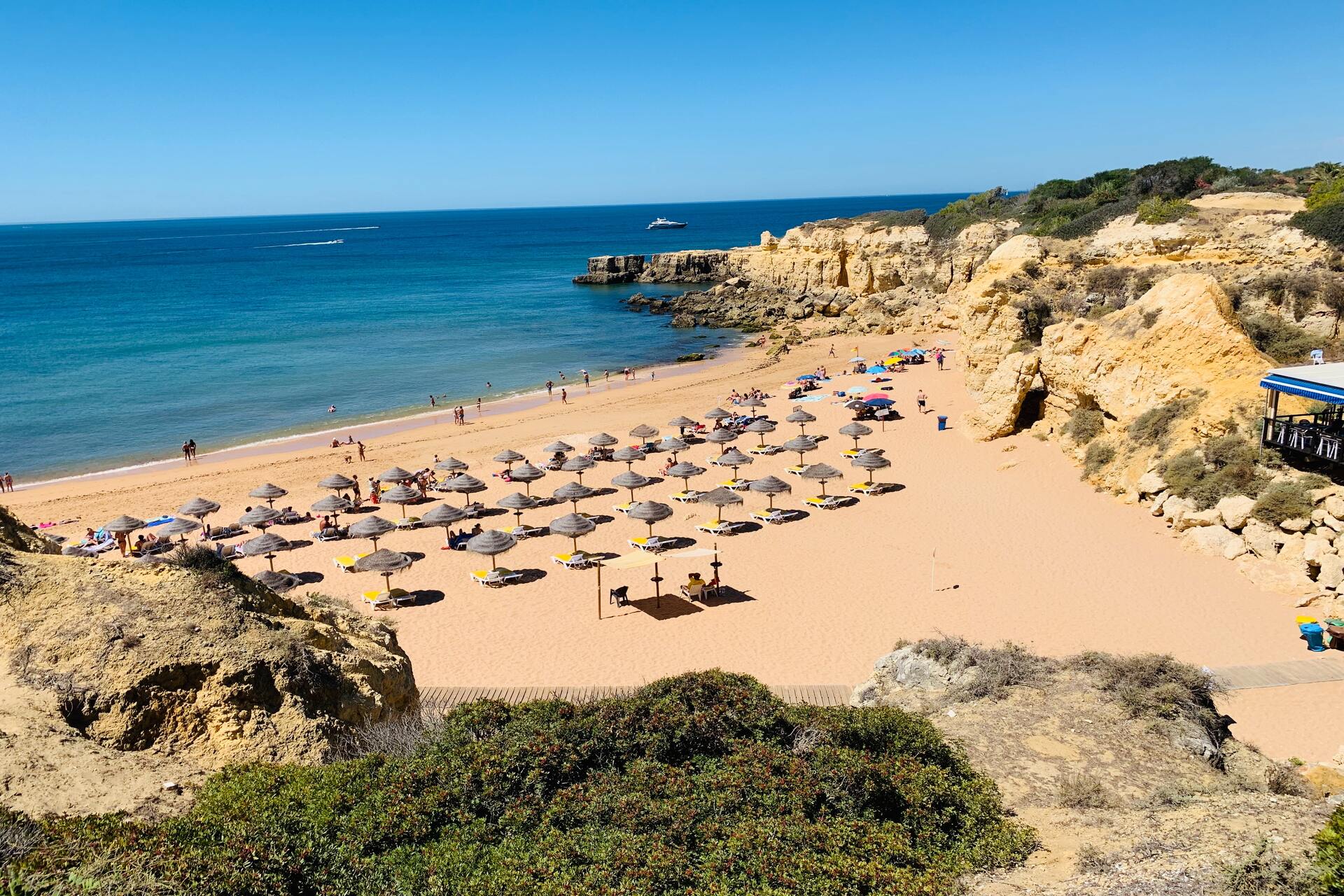
For the first time since 2017, the majority of tourists surveyed said they “did not visit the Athens Riviera” during their stay. However, those who did rated the experience positively, with beach cleanliness scoring 8.6 and sea quality 8.0.
Limited awareness was also recorded for the nearby Argosaronic islands (Aegina, Poros, Hydra and Spetses), with “lack of time”, “preference for other islands”, “insufficient information” and “difficult access” cited as the main reasons visitors chose not to go.
“The research this year recorded, for the first time since 2017, a decline in visits to the coastal front, highlighting the need for continuous promotion and stronger positioning of the destination,” said the hotel association’s president, Evgenios Vassilikos.
He added that the Region of Attica’s efforts to promote the Athens Riviera could help strengthen both Attica and the Argosaronic islands as part of the wider visitor experience.
The findings also showed that visitors who had the opportunity to extend their stay expressed interest in additional experiences, including nearby islands, beaches and different neighborhoods of the city.
Public spaces and infrastructure remain weak points
While overall satisfaction remained high, public spaces and environmental conditions continued to receive lower scores.
Public transport and parks scored 7.4, squares and sidewalks 6.8, while public cleanliness and air quality both received scores of 6.6. Noise conditions ranked lowest at 6.4.
Some indicators improved compared to last year, particularly parks and cleanliness, though the studies noted that the broader urban environment remains one of the weaker aspects of the Athens visitor experience.
“The findings highlight a destination with strong appeal and high visitor satisfaction, while also shedding light on areas that require greater attention, including public space quality, cleanliness, accessibility and the better integration of the Athens Riviera and the Argosaronic islands into the visitor experience,” said Ioanna Papadopoulou, AIA’s communications and marketing director.
Hotel market shows winter gains, summer pressure
The surveys also highlighted diverging trends in the city’s hotel performance.
Despite a 10.1 percent increase in international arrivals at Athens airport, hotel occupancy rose by only 0.9 percent in 2025, while average room rates increased moderately by 2.5 percent.
Performance improved significantly during the winter period from November to March, when occupancy rose 5.3 percent and average room rates increased 5.4 percent.
During the peak April-October season, however, occupancy fell by 1.2 percent despite continued growth in room rates, suggesting signs of pressure during the city’s busiest tourism months.
“The city still has room for growth, but it also has room for improvement,” Vassilikos said, stressing the need for better planning, infrastructure upgrades and coordinated tourism management as Athens continues to expand its tourism footprint.
Cre: Greek Travel Pages








 hello@mercan.com