 Kova Center 92G-92H Nguyen Huu Canh Str, Ward 22, Binh Thanh Dist, HCMC
 +84 932 859 976
Athens–Thessaloniki Rail Line Set for Full Operation by Summer 2026
- 28 December, 25
Greece’s main railway corridor linking Athens and Thessaloniki is set to become fully operational by summer 2026, with upgraded safety systems along the entire route, according to Alternate Transport Minister Konstantinos Kyranakis.
Speaking at an international infrastructure conference, Kyranakis said the line will operate with full signaling, centralized traffic control and automatic braking systems throughout, marking a major step toward improved rail safety and reliability.
“We can’t keep running the railway through a patchwork of separate contracts… From 2026, that model ends,” he said at the second international conference “Redefining the Future Horizons”, held by the Engineers and Public Works Contractors Fund (TMEDE).
New infrastructure, trains and stations
Outlining the government’s rail reform strategy, Kyranakis presented a three-pillar plan focused on new infrastructure, new trains and upgraded stations.
Athens and Thessaloniki’s central railway stations will undergo phased renovations, starting with functional and aesthetic upgrades, followed by expansion projects developed through partnerships aimed at turning them into modern urban hubs.
On rolling stock, Kyranakis said the renegotiated agreement with Hellenic Train includes a binding clause requiring the company to invest 300 million euros in 23 new trains by 2027.
Failure to meet this commitment would, for the first time, allow the Greek state to terminate the contract, he said.
Cross-border rail links and decentralization
The minister also highlighted a new agreement signed in Brussels to develop a vertical rail corridor linking Greece with Bulgaria and Romania. The project aims to improve cross-border connectivity, reduce dependence on the Bosphorus Straits, and strengthen Greece’s role in regional rail transport.
Improved rail connectivity, he added, could support decentralization by enabling cities such as Kiato, Livadia and Chalkida to function as regional hubs, easing pressure on Athens.
Metro, buses and road safety
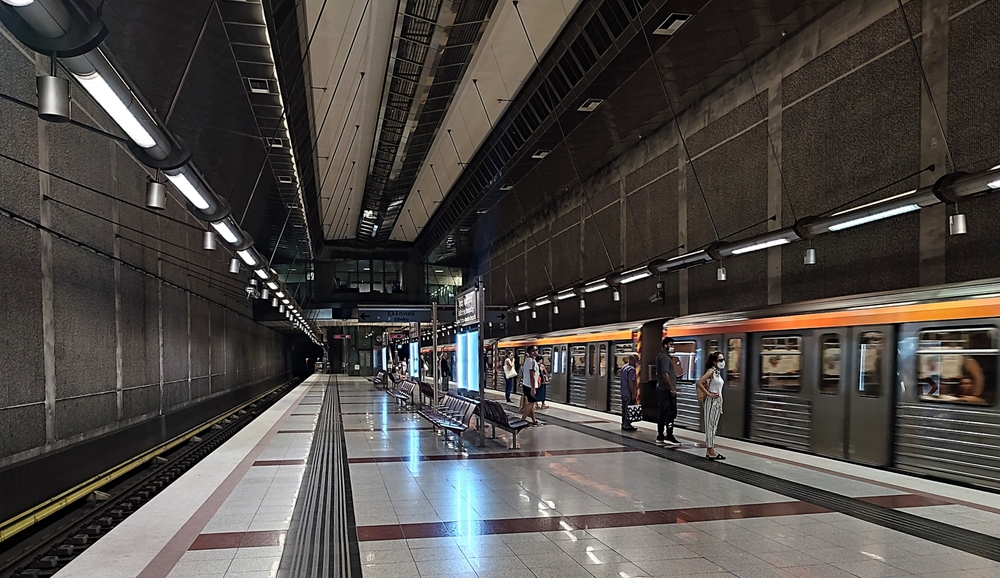
In urban transport, Kyranakis announced plans to procure 15 new trainsets for Metro Lines 2 and 3, alongside the refurbishment of inactive units, with service frequency improvements expected by autumn 2026.
Athens’ bus fleet is also set to expand to more than 1,000 new vehicles by March 2026, supported by new driver recruitment.
Organized during December 9-10, the “Redefining the Future Horizons” conference focused on the design and implementation of resilient infrastructure capable of addressing the challenges posed by the climate crisis and water scarcity.
Cre: Greek Travel Pages











 hello@mercan.com