 Kova Center 92G-92H Nguyen Huu Canh Str, Ward 22, Binh Thanh Dist, HCMC
 +84 932 859 976
Greece’s Short-term Rental Market Expands with Strong Growth in 2024
- 21 February, 25
Greece’s short-term rental sector continues to expand, recording a double-digit growth rate in both supply and demand, according to insights presented at the ShortStay Conference 2025 on Friday. Organized by the Short-Term Accommodation Managers Association (STAMA Greece), the ShortStay Conference is the biggest event focusing on the industry of short-term rentals, villas and serviced apartments and aims to provide insight, networking, and inspiration to professionals in the field.
“Short-term rentals are not a marginal activity but a key pillar of tourism and the economy,” said STAMA President Nasos Gavalas when opening the conference.
Greece: Market trends & Occupancy rates
According to a report presented during the conference by PriceLabs, a revenue management and dynamic pricing platform, Greece’s short-term rental market has experienced significant growth. In December 2024, approximately 132,500 properties were listed on rental platforms across the country, increasing 11 percent compared to 2023. Bookings throughout 2024 were notably higher than in 2023, with overnight stays increasing by 16 percent year-on-year. August recorded the highest demand, surpassing 2.5 million overnight stays, while the strongest booking period remained July through September. On the other hand, the weakest months for short-term rentals were January and February, highlighting the sector’s pronounced seasonality.
Occupancy rates followed a similar pattern. In August, occupancy across Greece reached 80 percent, while in January, it dropped below 25 percent. In comparison with other Mediterranean markets, Malta and Portugal recorded higher occupancy rates than Greece, while Croatia remained lower, except during the summer. Seasonal demand also influenced pricing, with rates peaking during the high tourist season.
Regional performance
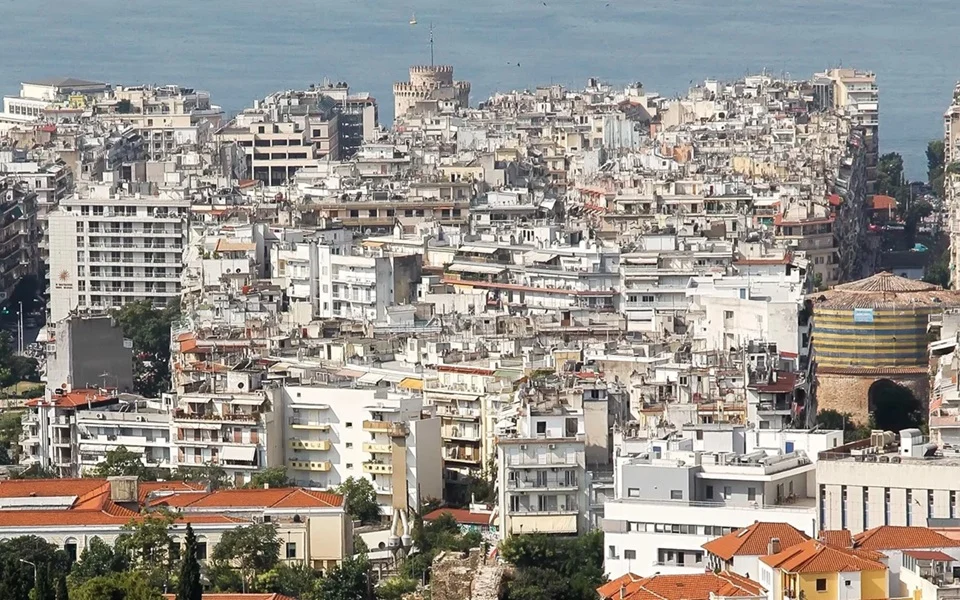
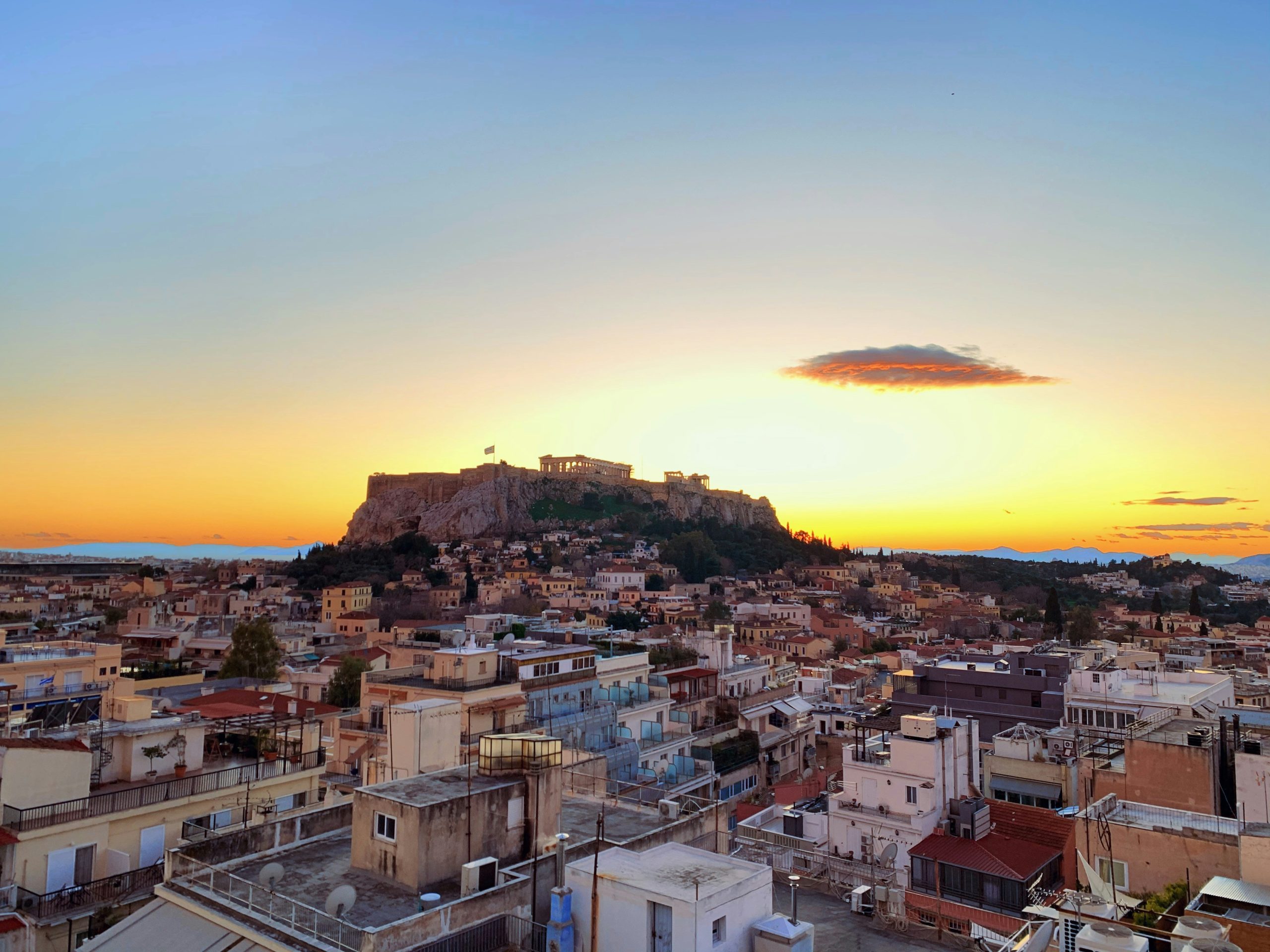
Within Greece, regional short-term rental markets demonstrated distinct trends. Athens recorded the highest occupancy rates, though demand typically dipped in the summer months. Thessaloniki, a less seasonal market, maintained more stable performance throughout the year. Meanwhile, Crete saw a sharp rise in demand during the summer, with occupancy peaking at 80 percent in August, surpassing Athens and Thessaloniki. However, from November to February, occupancy on the island fell below 25 percent, reflecting its high seasonality.
Market structure & revenue growth
Mapping the sector, PriceLabs data revealed that nearly half of short-term rental managers in Greece, 44 percent, oversaw between two and ten properties, while 35 percent managed a single listing. Another 11 percent handled between 11 and 50 properties, and only 10 percent managed portfolios of 50 or more.
The Greek short-term rental market continued to post strong financial growth. In 2024, revenue reached 874 million euros, marking a 17 percent increase from 746 million euros in 2023 and a 60 percent rise compared to 544 million euros in 2022.
Cre: news.gtp.gr








 hello@mercan.com