
 Kova Center 92G-92H Nguyen Huu Canh Str, Ward 22, Binh Thanh Dist, HCMC
 +84 932 859 976
Can a Transit Hub Become a Destination?
- 14 May, 26
When Transit Is No Longer Wasted Time
For a long time, transit was treated as the least interesting part of travel. It was the waiting room between two real destinations: a few hours inside an airport, a coffee between flights, maybe a short nap in the airpot before boarding again.
But that idea is starting to change. Countries with strong aviation hubs are no longer looking at transit passengers as people who simply pass through. They are asking a different question: if millions of passengers are already moving through an airport every year, how many of them can be encouraged to stay for two or three days?
That is the logic behind the stopover model. It is not just an airline perk or a flight-booking add-on. It is a tourism strategy built around one simple idea: turning existing passenger flow into real visitor demand.
How Other Countries Turned Stopover into a Tourism Strategy
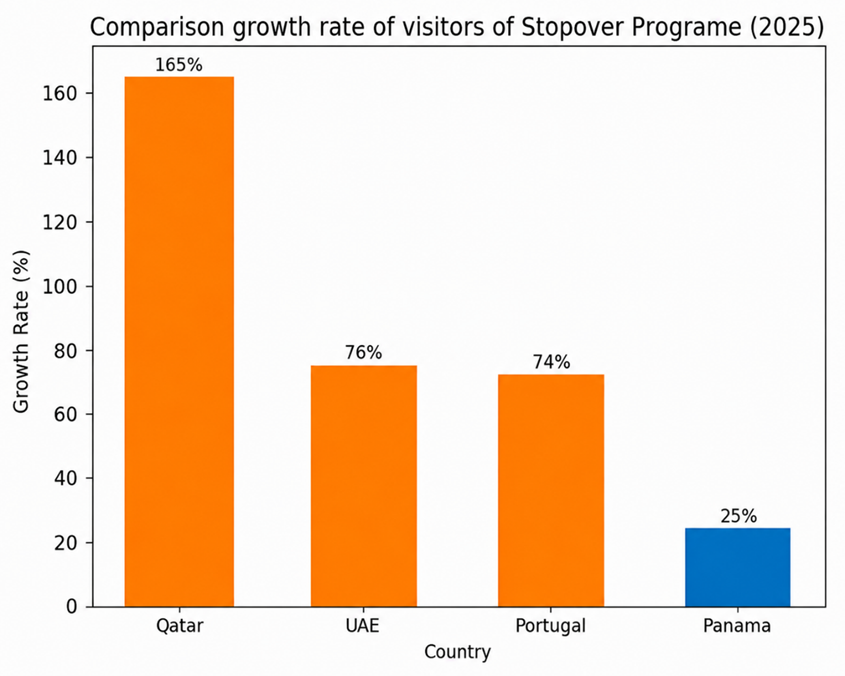
Figure 1: Top successful stopover programme in the world
According to Figure 1, Qatar is one of the clearest examples. Its stopover programme recorded more than 10,500 visitors in January 2025, while the number of stopover visitors grew 165% from April 2024 to January 2025 compared with the same period a year earlier. The model is simple: make Doha easy to experience, reduce the cost barrier, and connect the stopover to hotels, culture, desert tours and the broader destination brand.
Abu Dhabi follows a similar logic but uses a different entry point. By offering free hotel nights and integrating the offer into the flight-booking process, the city reduces the mental effort of saying yes. For travellers, it feels less like planning an extra trip and more like unlocking one.
Portugal’s Stopover programme adds another version of the same idea. TAP Air Portugal allows passengers to stop in Lisbon or Porto for up to 10 days without extra airfare on the stopover segment. In the first half of 2025, more than 193,000 passengers added a Portugal Stopover to their journey, a 74% increase year-on-year. Around 5% of TAP tickets worldwide included a stopover option during that period, rising to 9% in June.
These examples show that Panama is not entering an untested space. Stopover has already become a validated strategy for aviation hubs and destination markets. What changes from country to country is not the core idea, but the way each market packages its own advantage.
The Pattern Behind Successful Stopover Models
Different markets use different incentives, but the underlying pattern is similar. Successful stopover programmes usually rely on three elements: a strong airline network, a destination attractive enough for a short stay, and a travel package simple enough for passengers to understand quickly.
This simplicity matters. Transit passengers are not usually planning a full holiday. They are making a fast decision inside an existing journey. If the offer feels complicated, they continue to the final destination. If it feels easy, affordable and worth the extra time, transit can become tourism.
That is why the most effective stopover programmes are not just about free hotels or discounted tours. They work because they reduce friction. They make the traveller feel that adding one more destination is not a burden, but an upgrade to a trip they were already taking.
Which benefits Panama can gain from stopover
At scale, Panama can support hotels, serviced apartments, F&B, retail, local tours and the wider perception of Panama City as more than a transfer point. The economic effect is not only in the airport. It spreads into the city.
This matters beyond aviation. A passenger who stays three days is no longer just a transit passenger. They need a hotel room, transportation, restaurants, tours, shopping, and perhaps a reason to return.
This is why stopover should not be read only as an airline programme. For Panama, it also sits inside a larger urban and tourism story. If more transit passengers step outside Tocumen and spend time in the city, Panama City gains more than visitor numbers. It gains visibility, foot traffic and stronger international familiarity.
Panama’s Position as a Hub of the Americas
Its advantage comes from a different geography. Sitting between North America, South America and the Caribbean, Panama already functions as a natural connection point for the region. Through Copa Airlines and Tocumen International Airport, the country has a passenger flow that many destinations would have to build from zero.
The early numbers suggest that this stopover programme is becoming more positive. Copa Airlines’ Panama Stopover surpassed 200,000 passengers in 2025, with travellers staying about three days on average. The programme also recorded around 25% growth that year, and the 2026 target is to attract about 250,000 stopover visitors.
Panama’s 2026 Ambition: Is 250,000 stopover visitors an impossible number?
Understanding the economic benefits and Panama’s position. The 2026 target of 250,000 stopover visitors shows that Panama is no longer just trying to move passengers through the country. It is trying to convert part of that movement into people who stay, spend and experience the city.
To realize this ambition, Copa Airlines continues to expand its network and fleet, which could increase the passenger base feeding into the programme over time. Specifically, The airline plans to invest in up to 60 Boeing 737 MAX ($≈13.5 billion) aircraft and can increase its total fleet to more than 200 aircraft in the long term. More importantly, the number of passengers through the system is expected to increase from 20.9 million (2026) to >27 million by the end of the decade.
Many researchers raise the question, “is the target impossible?”; “is Panama too confident to invest in?”. The key lies in the evidence of successful stopover programmes in the countries discussed with a growth rate of 74-165% per year. Therefore, Panama should invest to take advantage of the potential to develop with a growth rate exceeding 25% per year.
If Panama succeeds, the value of Tocumen will not be measured only by how many passengers pass through the airport, but by how many decide to step outside, stay for a few days, and experience the city itself.
This article is written by Solaya, powered by Mercan Asia — an insights platform focused on global residency, citizenship-by-investment, and real estate trends. If you’re interested in more insights like this, explore further on SOLAYA ASIA.











 hello@mercan.com